Slab Leak Repair Cost in Los Angeles: 2026 Guide
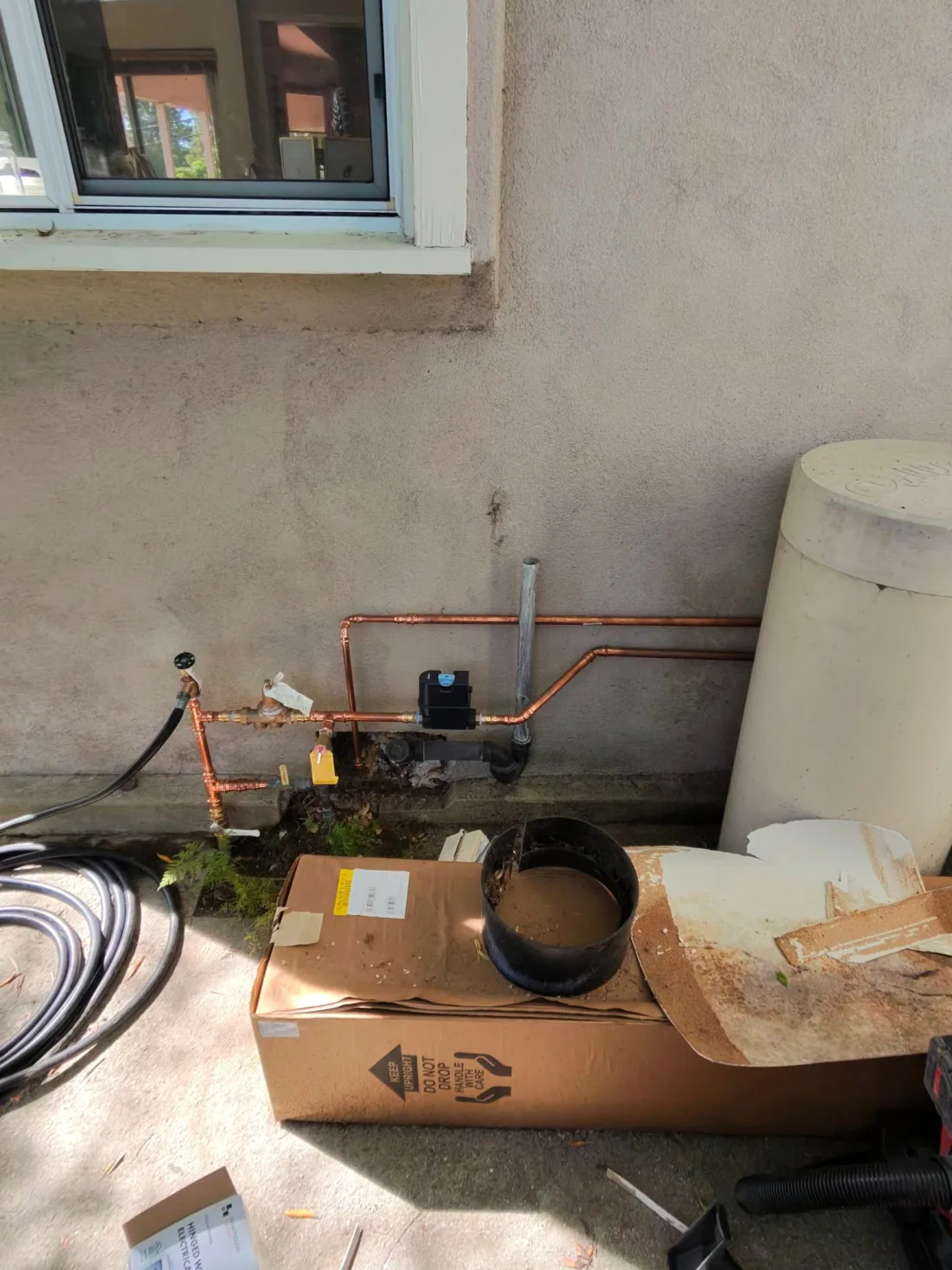
What slab leak detection and repair typically cost in Los Angeles in 2026, how a spot repair compares with a reroute or a repipe, what moves the price, and who to call. Typical ranges with sources, not a quote.
The short answer
A slab leak is a leak in a water line that runs under a home's concrete foundation, and most of the cost is in finding it precisely and getting to it. Our typical San Fernando Valley ranges are $295 to $595 to locate the leak, $1,200 to $2,800 for a spot repair of one section, and $2,500 to $5,500 to reroute the line above the slab. If the whole system is at the end of its life, a full repipe runs $7,500 to $18,000 or more. Published national guides put the average repair near $2,300. The table puts the figures side by side.
| Source | What it covers | Typical range |
|---|---|---|
| Angi (national) | Slab leak repair, including leak detection | $630 to $4,400 (average $2,280) |
| Angi (national) | Slab leak detection | $150 to $400 (average $280) |
| Angi (national) | Slab leak reroute | $600 to $4,000 |
| This Old House (national) | Slab leak repair | $630 to $4,400 (average $2,300) |
| This Old House (national) | Rerouting plumbing | $1,500 to $15,000 |
| Last Drop leak detection page | Locating the leak (acoustic and thermal on slab leaks) | $295 to $595 |
| Last Drop slab leak page | Spot repair of one section | $1,200 to $2,800 |
| Last Drop slab leak page | Reroute above the slab | $2,500 to $5,500 |
| Last Drop leak detection page | Full repipe of a home | $7,500 to $18,000 or more |
Typical ranges only, not quotes. National averages do not reflect Los Angeles labor rates, and a reroute or repipe covers far more pipe than a single spot repair. We locate the leak first and give a written flat-rate quote before any concrete is cut.
Why slab leaks are common in the Valley
Most homes in the San Fernando Valley and across Los Angeles are slab-on-grade, with the copper supply lines run in or under one slab of concrete. Copper that is 25 to 40 years old starts to develop pinholes, and hard, mineral-heavy water speeds up the corrosion from the inside. Because the leak is hidden under the floor, it can run for weeks or months before anyone notices.
- A warm spot on the floor, which points to a hot-water line leaking under the slab.
- A water bill that jumped with no change in how you use water.
- The sound of running water, or a turning leak-indicator dial on the meter, with every fixture and irrigation valve closed.
- Low water pressure at every fixture at once, not just one faucet.
- Cracks in flooring, a musty smell, or mold along a baseboard.
A cold-water leak will not warm the floor, so the absence of a warm spot does not rule a slab leak out.
Finding the leak is where the money is saved
Cutting blind into a slab is expensive and rarely lands on the leak the first time. We start with a pressure test on the isolated supply line. If it will not hold, the leak is on the pressurized side. From there we use ground microphones to listen for escaping water and triangulate the spot to within a few inches, and on hot-side leaks we add thermal imaging. You get a marked spot on the floor and a written report before any concrete comes up.
Detection is priced on its own because the repair choice depends on what it finds. Angi lists slab leak detection at $150 to $400 nationally, This Old House at $150 to $600, and our Valley range is $295 to $595, with the upper end for slab leaks that need acoustic and thermal triangulation.
Spot repair, reroute, or repipe
The location and the age of the pipe decide the method, and each one has a different price for a reason.
- Spot repair ($1,200 to $2,800 in the Valley). We open a small section of slab at the marked spot, replace the failed copper, pressure-test it and restore the concrete. It fits a leak in one location on a line that is otherwise sound.
- Reroute ($2,500 to $5,500). The failed line is abandoned and a new one runs above the slab, through the attic, walls or along the exterior. On an older home where the same pipe is likely to pinhole again nearby, it is often the better long-term choice, and it can mean no floor demolition at all.
- Epoxy pipe lining. When a line has several pinholes but is otherwise intact and accessible, the inside of the pipe can be cleaned and coated with structural epoxy, without breaking the slab.
- Full repipe ($7,500 to $18,000 or more). When the whole system is at the end of its life, replacing it once costs less than chasing one leak after another.
Published figures show the same pattern. Angi lists a slab leak reroute at $600 to $4,000 nationally and This Old House lists rerouting at $1,500 to $15,000, a wide range because a reroute can be one short run or most of a house.
What moves the price
These are the factors that separate a $1,500 slab leak repair from a $5,000 one:
- Where the leak is. A leak near an exterior wall or an open area is cheaper to reach than one in the middle of the house.
- What is on top. Tile, hardwood and built-in cabinets cost more to open and restore than carpet or an unfinished garage floor.
- How many leaks. One pinhole calls for a spot repair. Several along the same line usually make a reroute the better value.
- Hot side or cold side. Hot-side leaks are often easier to pinpoint with thermal imaging.
- Timing. A leak that is actively flooding or has cut your water pressure may need same-day work.
- Restoration. Angi notes that you should budget for build-back to restore floors and finishes, plus permits from $150 to $200.
Insurance and slab leaks
Policies differ, so read yours. In our experience most California homeowners policies cover the resulting water damage, such as wet flooring, drywall and mitigation, but not the leaking pipe itself or the cost to access it. We provide written detection reports and photos that help with a claim. Ask your insurer how your policy treats tear-out and access before work starts.
Who does slab leak repair in Los Angeles
In California, the Contractors State License Board (CSLB) says it is illegal for an unlicensed person to do contracting work on any project that requires a building permit or is valued at $1,000 or more in combined labor and materials. Before you hire anyone for a slab leak, look up the license number on the CSLB website, check that it is current and active, and look for the C-36 Plumbing classification on the record.
- Ask how the leak will be located before any concrete is cut, and whether you get a written report with the marked spot.
- Ask for spot repair and reroute prices side by side, so you can weigh the cost now against the chance of another leak.
- Get a written flat-rate quote that spells out the concrete and floor restoration.
- Ask how much is due upfront. For home improvement contracts, California caps the down payment at $1,000 or 10 percent of the contract price, whichever is less.
Getting a quote in the San Fernando Valley
Last Drop Plumbing & Rooter is a licensed C-36 plumbing contractor (CSLB #1120613) based in Reseda. We locate the leak before we quote, the report is yours to keep, and we answer 818-292-3330 live, 24/7. The prices on this page are typical ranges, not a quote for your home.
Frequently asked questions
- How much does slab leak repair cost in Los Angeles?
- Our typical San Fernando Valley ranges are $295 to $595 to locate the leak, $1,200 to $2,800 for a spot repair of one section, and $2,500 to $5,500 to reroute the line above the slab. A full repipe runs $7,500 to $18,000 or more. Published national guides put the average repair near $2,300 (This Old House) or $2,280 including detection (Angi). We give a written flat-rate quote after the leak is located.
- Who does slab leak repair in Los Angeles?
- A plumbing contractor licensed by the California Contractors State License Board, with the C-36 Plumbing classification on its record. Look up the license number on the CSLB website before you hire anyone. Last Drop Plumbing & Rooter is a licensed C-36 plumbing contractor (CSLB #1120613) based in Reseda that locates and repairs slab leaks across the San Fernando Valley.
- Is a reroute better than a spot repair?
- It depends on the pipe. A spot repair fits a single leak on a line that is otherwise sound. On an older home where the same copper line is likely to pinhole again, a reroute abandons the failed line and runs a new one above the slab, which often costs less over time and can avoid floor demolition.
- Will homeowners insurance pay for a slab leak?
- Most California policies cover the resulting water damage but not the leaking pipe itself or the cost to access it. Check your policy language on tear-out and access before work starts. We provide written detection reports and photos that help with a claim.
Related services
Sources
- Angi: How much does slab leak repair cost? (updated September 22, 2026)
- This Old House: How much does slab leak repair cost? (updated April 7, 2026)
- CSLB: What is illegal contractor activity?
- CSLB: Learn about home improvement contracts
- CSLB: Check a license
Sources checked October 23, 2026. Prices are typical ranges, not quotes, and program terms can change.